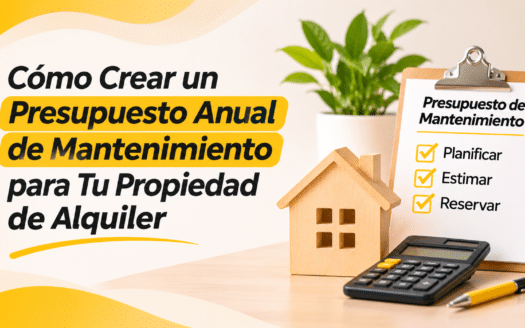
How to Create an Annual Maintenance Budget for Your Rental
Owning a rental property comes with many responsibilities, and one of the most important is keeping the property in good condition.
While collecting rent is an essential part of rental property ownership, it’s equally important to plan for the expenses that come with maintaining the home.
From routine inspections and seasonal upkeep to unexpected repairs and major replacements, maintenance costs can add up throughout the year.
Without a clear budget, even a relatively small repair can become a financial inconvenience.
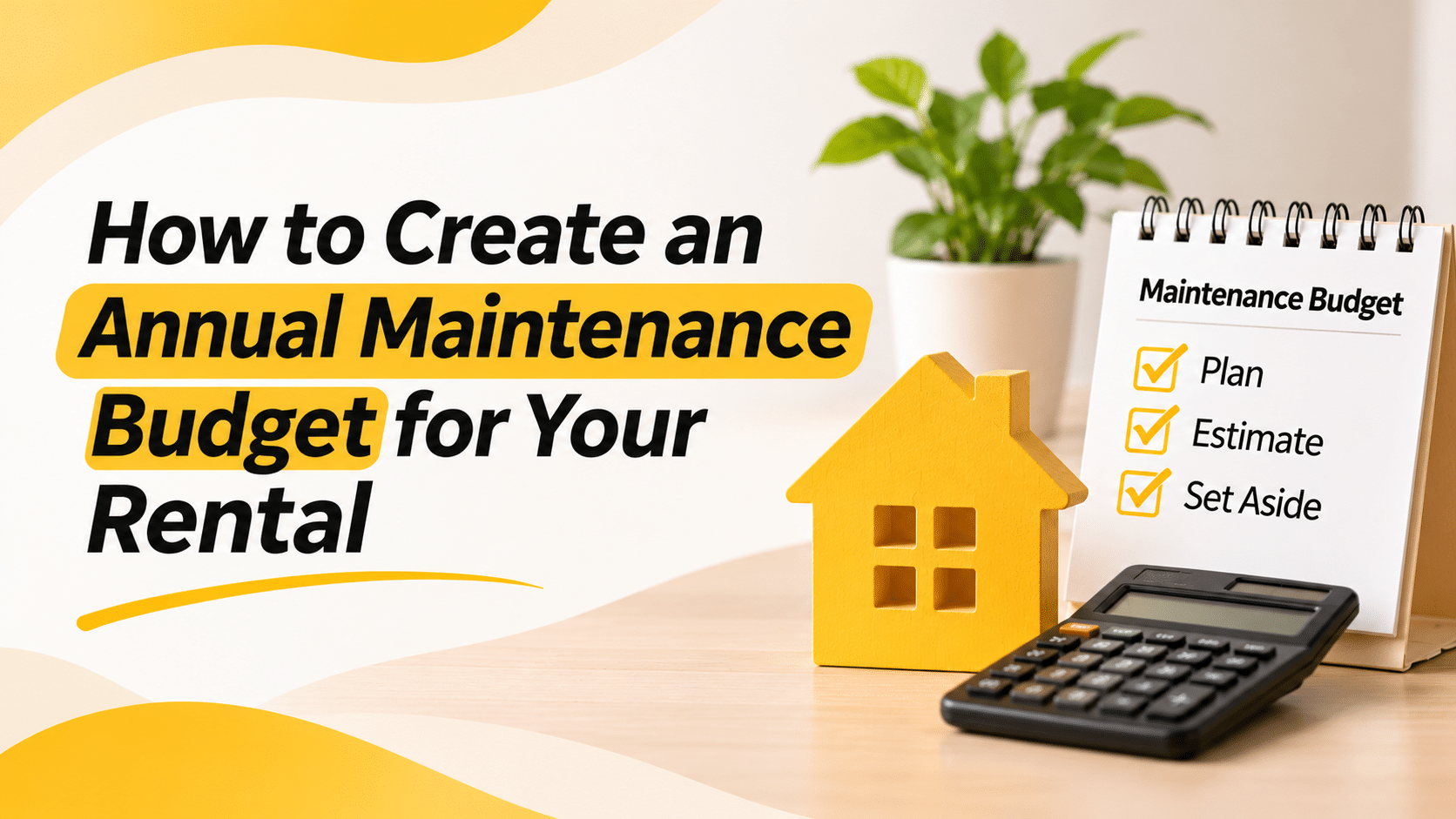
That’s why creating an annual maintenance budget is an important step toward protecting your rental investment and managing expenses more confidently.
Here’s how to build a practical maintenance budget for your rental property.
Understand Why a Maintenance Budget Matters
A maintenance budget helps you prepare for the ongoing costs of keeping your rental property safe, functional, and well-maintained.
Instead of waiting until something breaks and then figuring out how to pay for it, you can plan ahead and set aside money throughout the year.
A well-organized maintenance budget can help you:
- Prepare for routine repairs and upkeep
- Reduce financial surprises
- Plan for seasonal maintenance
- Identify upcoming replacement costs
- Support tenant satisfaction
- Protect your property’s long-term condition
Having a budget doesn’t eliminate unexpected problems, but it can make them easier to handle.
Review Your Previous Maintenance Expenses
One of the best places to start is by reviewing how much you’ve spent on maintenance in previous years.
Look through invoices, receipts, contractor payments, and property management reports.
Pay attention to recurring expenses such as air conditioning servicing, plumbing repairs, landscaping, pest control, and appliance maintenance.
For example, if you spent $2,400 on routine maintenance last year, that provides a useful starting point for your next annual budget.
However, remember that expenses can change depending on the property’s age, condition, and maintenance needs.
If your rental is new or you don’t have previous records, begin by estimating likely costs and adjust your budget as you collect more information.
Evaluate Your Property’s Current Condition
Not every rental property requires the same maintenance budget.
An older property may need more frequent repairs than a recently built home, especially if major systems are approaching the end of their expected service life.
Take time to evaluate important areas of the property, including:
- Roof and gutters
- Plumbing and electrical systems
- Heating and air conditioning
- Water heater
- Kitchen appliances
- Flooring and interior finishes
- Doors and windows
- Exterior surfaces and landscaping
Consider scheduling a professional inspection when appropriate.
Understanding the property’s current condition can help you anticipate future maintenance needs.
Separate Routine Maintenance From Major Repairs
A helpful way to organize your budget is to divide maintenance expenses into different categories.
Routine maintenance includes predictable tasks such as HVAC servicing, landscaping, filter replacements, gutter cleaning, and regular inspections.
Repairs involve fixing problems that arise during the year, such as plumbing leaks, damaged fixtures, or malfunctioning appliances.
Major replacements involve larger expenses, such as replacing an aging roof, air conditioning system, or water heater.
Keeping these categories separate helps you avoid using your entire maintenance budget on one large project.
It also makes it easier to understand where your money is going.
Estimate Your Annual Maintenance Costs
There isn’t one maintenance budget that works for every rental property.
Some owners use a percentage of rental income or property value as an initial planning guideline.
For example, setting aside 5% to 10% of annual rental income may provide a starting point for routine maintenance planning, but it isn’t a guarantee that the amount will be sufficient.
Actual costs depend on the property’s age, size, location, condition, and the responsibilities outlined in the lease.
A property with aging systems or significant deferred maintenance may need a much larger budget.
The best approach is to combine your property’s maintenance history with realistic estimates for the coming year.
Create a Monthly Maintenance Savings Plan
Once you have an estimated annual maintenance budget, divide it into manageable monthly amounts.
For example, if you expect to spend $3,600 on maintenance over the next year, you could plan to set aside $300 each month.
This approach can make maintenance expenses easier to manage instead of paying for everything at once.
Consider keeping maintenance funds separate from personal spending so they’re available when needed.
Consistency is more important than waiting until a repair becomes urgent.
Plan for Seasonal Maintenance
Certain maintenance tasks are more important during specific times of the year.
For example, air conditioning systems may need attention before warmer months, while roofs, gutters, and drainage areas may require checks before heavy rain.
Depending on your location and climate, seasonal tasks may include:
- Servicing heating and cooling systems
- Inspecting gutters and drainage
- Checking roofs for visible damage
- Maintaining landscaping
- Inspecting exterior doors and windows
- Testing smoke and carbon monoxide alarms as applicable
- Preparing plumbing and outdoor areas for seasonal weather
Adding these tasks to an annual calendar helps you anticipate when expenses are likely to occur.
Set Aside Money for Unexpected Repairs
Even with regular maintenance, unexpected issues can still happen.
A pipe may leak, an appliance may fail, or an electrical problem may require professional attention.
That’s why it’s helpful to maintain a separate emergency repair reserve.
The appropriate amount depends on the property and your financial situation.
An emergency reserve can help you respond promptly without disrupting your entire operating budget.
Remember that emergency savings and planned maintenance funds serve different purposes.
Prepare for Major Replacements
Some property components eventually need replacement, even when they’re properly maintained.
Roofs, HVAC systems, water heaters, and appliances all have limited service lives.
Instead of waiting until these systems fail, estimate when they may need replacement and how much the work could cost.
For example, if you expect to replace a system in five years at an estimated cost of $6,000, setting aside approximately $100 per month could help you prepare.
Actual replacement costs and timelines can change, so review your estimates regularly.
Planning for larger expenses helps reduce the financial impact when the time comes.
Compare Repair Costs and Replacement Costs
Sometimes, continuing to repair an aging system becomes more expensive than replacing it.
If an appliance or air conditioning unit repeatedly needs service, review how much you’ve spent on repairs.
Compare those costs with the estimated price of replacement, expected reliability, and potential efficiency improvements.
The lowest immediate expense isn’t always the most cost-effective long-term decision.
Keeping maintenance records can help you make more informed choices.
Get Estimates From Qualified Professionals
When planning your annual budget, consider obtaining estimates from qualified contractors for major maintenance work.
This is especially helpful for expensive repairs or replacements.
Written estimates can provide a clearer understanding of labor, materials, and project scope.
Remember that the cheapest estimate isn’t always the best option.
Consider qualifications, insurance, reputation, and the quality of the proposed work.
Working with reliable service providers can support better maintenance planning.
Track Maintenance Spending Throughout the Year
Creating a budget is only the beginning.
To keep it useful, you need to track actual maintenance expenses.
Record each repair, service visit, inspection, and replacement.
Organize expenses by category and compare what you’ve spent with what you originally planned.
For example, if your landscaping costs are higher than expected but your appliance repairs are lower, you can adjust your projections accordingly.
Regular tracking helps you identify patterns and improve future budgets.
Review and Adjust Your Budget Regularly
Your maintenance budget shouldn’t remain unchanged year after year.
Property conditions, contractor rates, material costs, and tenant turnover can all affect expenses.
Review your budget at least annually, and consider checking your spending quarterly.
If you notice recurring issues or upcoming replacements, update your financial plan.
A flexible budget is more useful than one that no longer reflects your property’s actual needs.
How Professional Property Management Can Help
Managing maintenance expenses requires organization, planning, and communication.
Professional property management services may help coordinate routine maintenance, document repair requests, schedule qualified vendors, and maintain records of property-related expenses.
Depending on the services provided, property managers may also help owners review maintenance trends and plan upcoming work.
Having an organized maintenance process can make it easier to address problems promptly and monitor costs.
Final Thoughts
Creating an annual maintenance budget is one of the most practical ways to protect your rental property investment.
By reviewing past expenses, evaluating your property’s condition, planning seasonal tasks, and preparing for major repairs, you can manage maintenance costs with greater confidence.
A good budget isn’t about predicting every expense perfectly. It’s about being prepared and making informed decisions throughout the year.
Remember, regular maintenance is not simply another cost of owning a rental property. It’s an important part of protecting the home’s condition, supporting tenant satisfaction, and preserving long-term value.
At Allstates Property Management, we believe proactive maintenance planning and organized budgeting help property owners protect their investments and manage their rental properties more effectively.