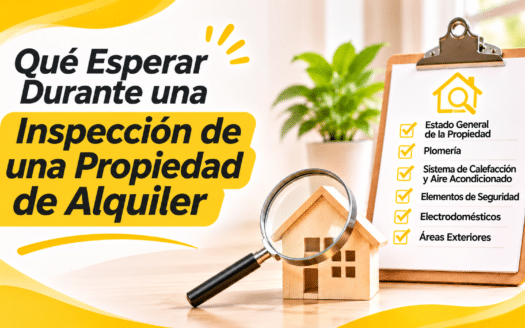
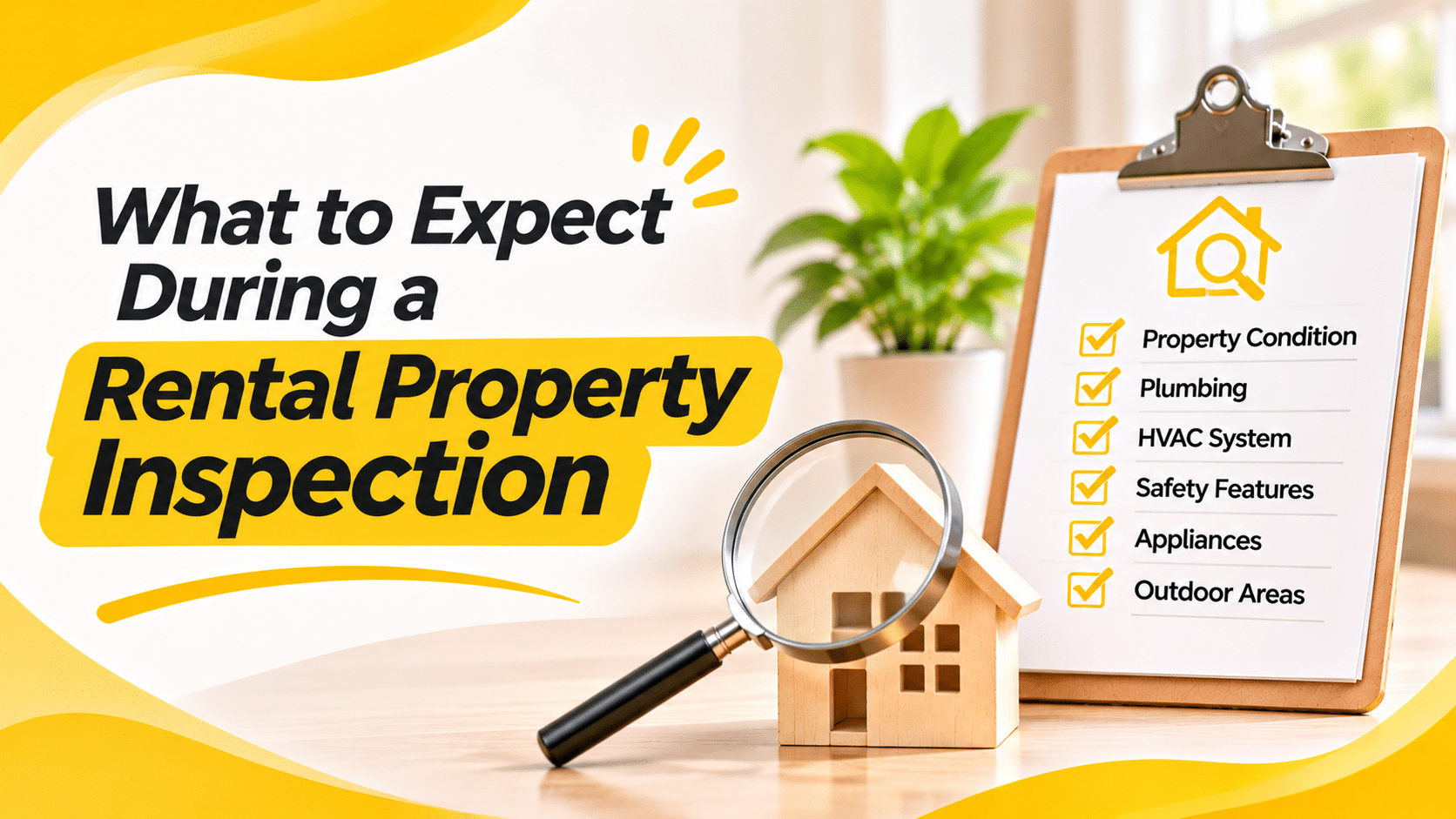
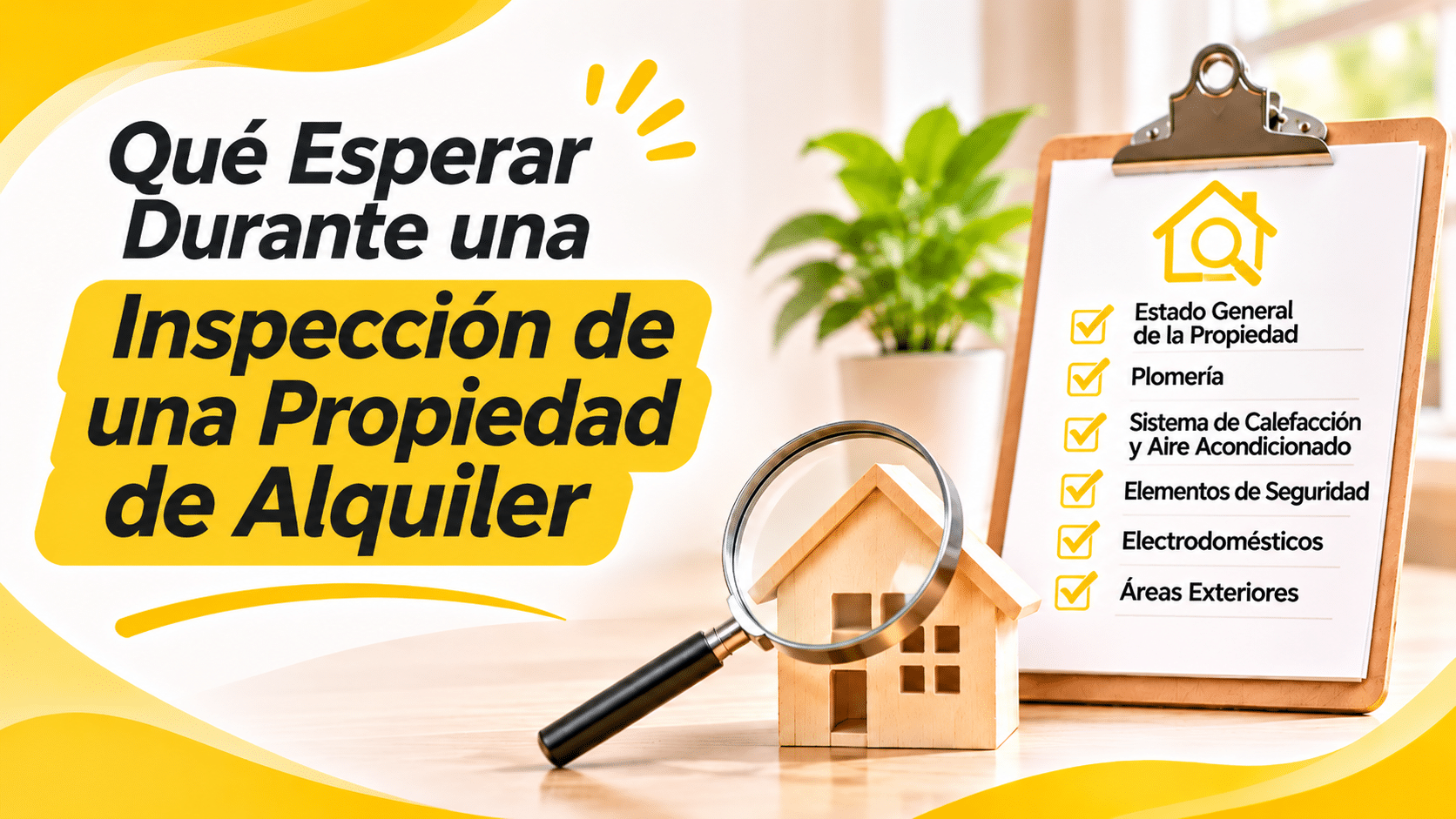
What to Expect During a Rental Property Inspection
Living in a rental property comes with responsibilities for both tenants and property owners. One important part of maintaining a safe, comfortable, and well-managed rental home is conducting regular property inspections.
For some tenants, receiving a property inspection notice can feel a little stressful, especially if they have never experienced one before.
However, rental property inspections are generally a routine part of property management. They help identify maintenance concerns, document property conditions, and prevent small problems from becoming more expensive repairs.
Understanding what happens during an inspection can help you feel more comfortable and prepared.
Here’s what every tenant should know about rental property inspections.
Understanding the Purpose of a Rental Property Inspection
A rental property inspection allows property managers or landlords to evaluate the condition of a rental home.
The primary purpose is to identify maintenance needs, check for potential safety concerns, and ensure that the property is being properly maintained.
Inspections can also provide tenants with an opportunity to communicate concerns that may need professional attention.
Rather than viewing an inspection as something negative, consider it an opportunity to help keep your rental home in good condition.
Receiving an Inspection Notice
Before a routine inspection, tenants generally receive advance notice from their landlord or property manager in accordance with applicable laws and lease requirements.
The notice may include the date, estimated time, and purpose of the inspection.
Notice requirements can vary depending on local laws and the circumstances surrounding the visit.
If you have questions about the schedule or inspection process, contact your property manager as soon as possible.
Clear communication can help make the experience more convenient for everyone involved.
Understanding the Different Types of Rental Inspections
Rental property inspections may take place at different stages of a tenancy.
Common types include:
- Move-in inspections: Document the property’s condition before or when a tenant moves in.
- Routine inspections: Evaluate the property’s condition during the lease period.
- Maintenance inspections: Identify specific repair or maintenance concerns.
- Seasonal inspections: Check areas that may be affected by changing weather conditions.
- Move-out inspections: Document the property’s condition when a tenant leaves.
Each inspection serves a different purpose, but all can contribute to better property care and clearer communication.
Checking the Overall Condition of the Property
During a routine inspection, the property manager may review the general condition of the rental home.
This may include looking at walls, ceilings, flooring, doors, windows, and other accessible areas.
The goal is to identify signs of damage, deterioration, or maintenance needs.
Normal wear and tear is a natural part of living in a home and should be distinguished from damage, subject to applicable laws and lease terms.
Tenants are not expected to make their homes look brand new for every inspection.
Reviewing Plumbing and Water-Related Issues
Water damage can become a serious concern when leaks or moisture problems go unnoticed.
During an inspection, the property manager may check accessible plumbing fixtures and areas where water-related issues commonly occur.
These may include:
- Kitchen and bathroom sinks
- Toilets and showers
- Visible plumbing connections
- Areas underneath sinks
- Signs of moisture or water damage
- Visible leaks around appliances
If you’ve noticed dripping faucets, unusual moisture, or slow drains, communicate these concerns during the inspection.
Reporting problems early can help prevent more significant damage.
Checking Heating and Cooling Systems
Heating and air conditioning systems play an important role in maintaining a comfortable rental home.
Depending on the inspection’s purpose, the property manager may review accessible HVAC components, air filters, thermostats, or visible signs of maintenance concerns.
Tenants should follow the maintenance responsibilities outlined in their lease.
If your heating or cooling system has been making unusual noises or struggling to maintain a comfortable temperature, let your property manager know.
Technical repairs should be handled by qualified professionals.
Reviewing Important Safety Features
Safety is an important part of rental property maintenance.
An inspection may include reviewing applicable safety features, such as smoke alarms, carbon monoxide detectors, door locks, and accessible exits.
Property managers may also look for visible electrical hazards or other conditions that could require professional attention.
If you notice a safety concern, report it promptly rather than waiting for the next scheduled inspection.
Keeping the property safe is an ongoing responsibility that benefits everyone.
Checking Appliances and Fixtures
If appliances are included with your rental property, their general condition may also be reviewed.
This could include refrigerators, ovens, dishwashers, washing machines, and other provided appliances.
Property managers may look for visible damage, leaks, or reported operating problems.
Let them know if an appliance has not been working correctly.
Early communication can help maintenance teams address issues before they become more inconvenient.
Reviewing Outdoor Areas
Depending on the type of rental property, an inspection may also include outdoor spaces.
These could include patios, balconies, yards, fences, walkways, and other accessible exterior areas.
The property manager may look for maintenance concerns, drainage problems, or visible damage.
If outdoor maintenance is part of your responsibilities under the lease, keeping these areas reasonably maintained can help protect the property’s condition.
Understanding Your Privacy During an Inspection
Tenants have a right to privacy in their rental homes, subject to lawful access requirements.
A routine property inspection should focus on legitimate property-related concerns rather than unnecessarily examining personal belongings.
Property managers should respect tenants’ privacy and follow applicable entry requirements.
Photographs may be taken when appropriate to document property conditions or maintenance concerns, subject to applicable laws.
If you have questions about access, photographs, or whether you need to be present, discuss them with your property manager before the inspection.
How to Prepare for a Rental Property Inspection
Preparing for an inspection doesn’t need to be complicated.
A few simple steps can help the visit go smoothly:
- Keep the property reasonably clean and organized.
- Make relevant maintenance areas accessible.
- Secure pets when necessary.
- Prepare a list of maintenance concerns.
- Remove unnecessary obstructions from walkways and exits.
- Review any inspection instructions provided by your property manager.
You don’t need to purchase new decorations, rearrange your entire home, or make unauthorized repairs.
The goal is to provide reasonable access and help the property manager understand the home’s condition.
Use the Inspection to Discuss Maintenance Concerns
A property inspection is a good opportunity to bring attention to maintenance issues.
Perhaps you’ve noticed a loose door handle, a leaking faucet, a window that doesn’t close properly, or an appliance that occasionally stops working.
Even if these concerns seem minor, communicating them can help prevent larger problems.
However, urgent maintenance and safety concerns should always be reported promptly rather than saved for a routine inspection.
Good communication supports a better rental experience.
What Happens After the Inspection?
After the inspection, the property manager may document observations and determine whether additional action is needed.
If maintenance concerns are identified, repairs or further evaluations may be scheduled.
In some situations, tenants may receive reminders about responsibilities outlined in their lease.
The next steps depend on the inspection findings, lease agreement, and applicable laws.
If you receive follow-up instructions, review them carefully and ask questions if anything is unclear.
How Regular Inspections Benefit Tenants and Property Owners
Regular inspections can benefit both tenants and property owners.
For tenants, inspections can help identify maintenance needs and support a safer, more comfortable living environment.
For property owners, inspections can provide valuable information about the home’s condition and help identify potential repair costs before they increase.
When inspections are conducted professionally and respectfully, they can support better communication and long-term property care.
Final Thoughts
Rental property inspections are an important part of maintaining a well-managed rental home.
By understanding what to expect, preparing your space, and communicating maintenance concerns, you can approach inspections with greater confidence.
Remember, the purpose of a routine inspection is not to judge your lifestyle or expect a perfectly decorated home. It is to evaluate relevant property conditions, identify maintenance needs, and support a positive rental experience.
At Allstates Property Management, we believe that proactive property care, respectful communication, and organized inspections help create better rental experiences for both tenants and property owners.