



Lease Agreements: Why a Strong Rental Contract Protects Both Landlords and Tenants
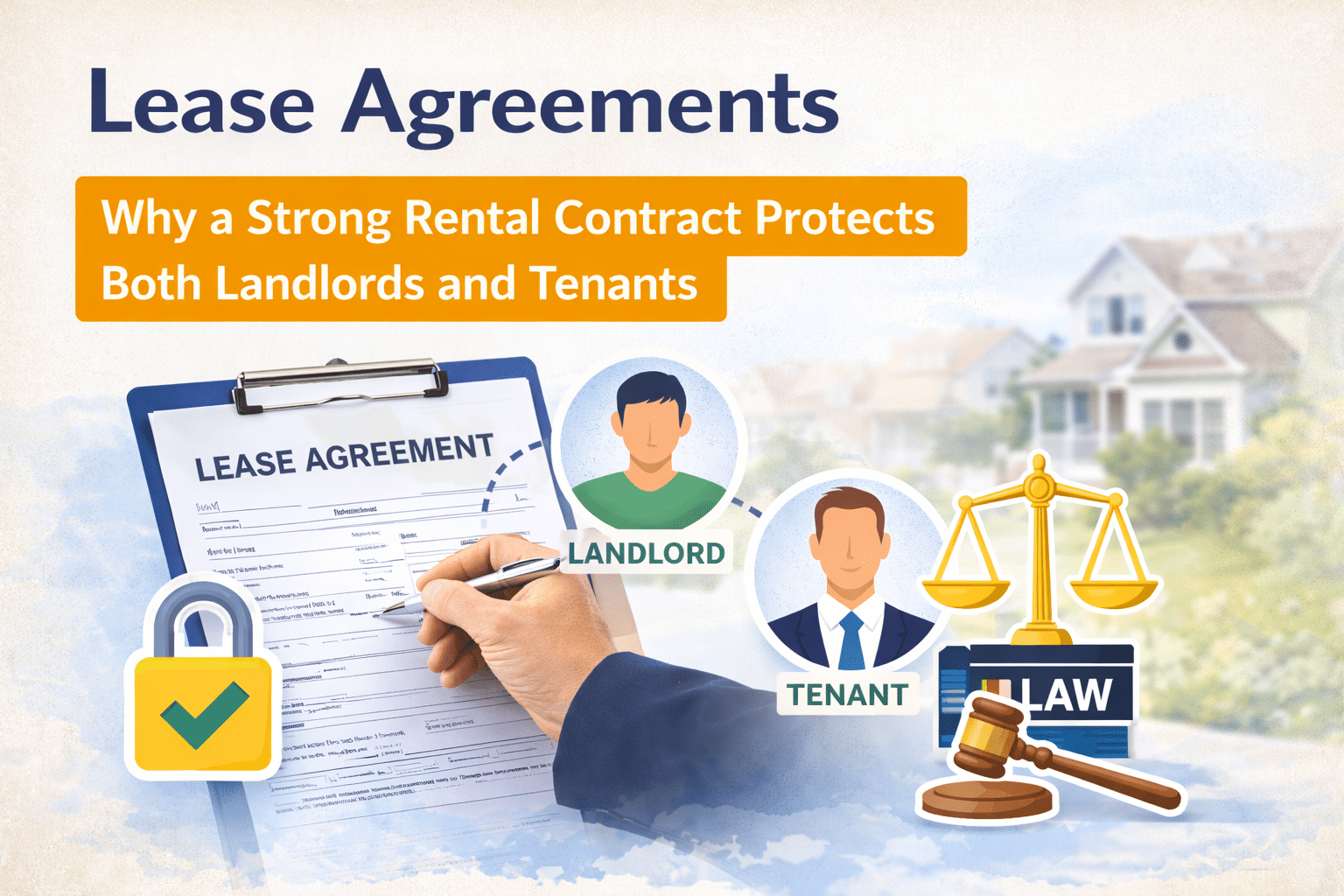
A lease agreement is more than just paperwork—it is the foundation of a successful rental relationship. A well-written lease establishes clear expectations, protects both parties, and helps prevent misunderstandings that can lead to costly disputes.
Unfortunately, many landlords rely on outdated templates or overly simple agreements that fail to cover important details. Without a strong lease contract in place, even small issues can quickly turn into complicated legal problems.
For rental property owners, a comprehensive lease agreement is one of the most important tools for protecting both their investment and their peace of mind.
Why Lease Agreements Matter
A lease agreement defines the legal relationship between a landlord and a tenant. It outlines the rights and responsibilities of both parties while setting clear expectations for the rental period.
A properly structured lease helps:
- Prevent misunderstandings between landlords and tenants
- Establish clear rent payment terms
- Define maintenance responsibilities
- Provide legal protection if disputes arise
- Create a professional rental experience
When expectations are clearly documented, both landlords and tenants benefit from a more stable and predictable arrangement.
Key Elements Every Lease Agreement Should Include
A strong lease agreement should address all major aspects of the rental relationship.
Rent Terms and Payment Schedule
The lease should clearly state:
- Monthly rent amount
- Due date for payment
- Accepted payment methods
- Late fee policies
Clear payment terms reduce confusion and encourage timely rent payments.
Security Deposit Policies
Security deposit terms must be clearly defined to protect both the property owner and the tenant.
Important details include:
- Deposit amount
- Conditions for deductions
- Return timelines
- Move-out inspection procedures
Transparency in deposit policies helps prevent disputes at the end of the lease.
Maintenance Responsibilities
Maintenance expectations should be clearly outlined so both parties understand their roles.
The lease should explain:
- What maintenance the tenant is responsible for
- How tenants should report repairs
- Emergency maintenance procedures
- Landlord responsibilities for property upkeep
Clear guidelines help ensure issues are addressed quickly and properly.
Property Rules and Occupancy Limits
To maintain the condition of the property and protect the community, the lease should also include rules such as:
- Occupancy limits
- Pet policies
- Noise and community guidelines
- Property use restrictions
These rules help create a safe and respectful living environment.
The Risks of Weak Lease Agreements
When lease agreements are vague or incomplete, landlords may face several challenges, including:
- Disputes over rent payments
- Confusion regarding maintenance responsibilities
- Difficulty enforcing property rules
- Legal complications during eviction processes
A weak lease agreement can make it significantly harder to resolve problems if they arise.
How Professional Property Management Helps
Professional property management companies use carefully structured lease agreements designed to protect property owners while ensuring compliance with local housing laws.
These agreements are regularly updated to reflect:
- Legal requirements
- Fair housing regulations
- Local rental laws
- Industry best practices
By using professionally developed lease contracts, landlords reduce risk while creating a more organized and professional rental process.
A Strong Lease Agreement Builds a Strong Rental Relationship
A lease agreement sets the tone for the entire rental experience. When expectations are clearly defined from the beginning, both landlords and tenants benefit from a more stable and transparent relationship.
For property owners, a well-crafted lease agreement is not just a document—it is a key part of protecting their investment.
At Allstates Property, we help landlords manage their rental properties with structured systems, professional lease agreements, and reliable tenant management.
Because successful rental ownership begins with clear agreements and strong management.